When Your Home No Longer Fits Your Life: 5 Signs It May Be Time to Renovate
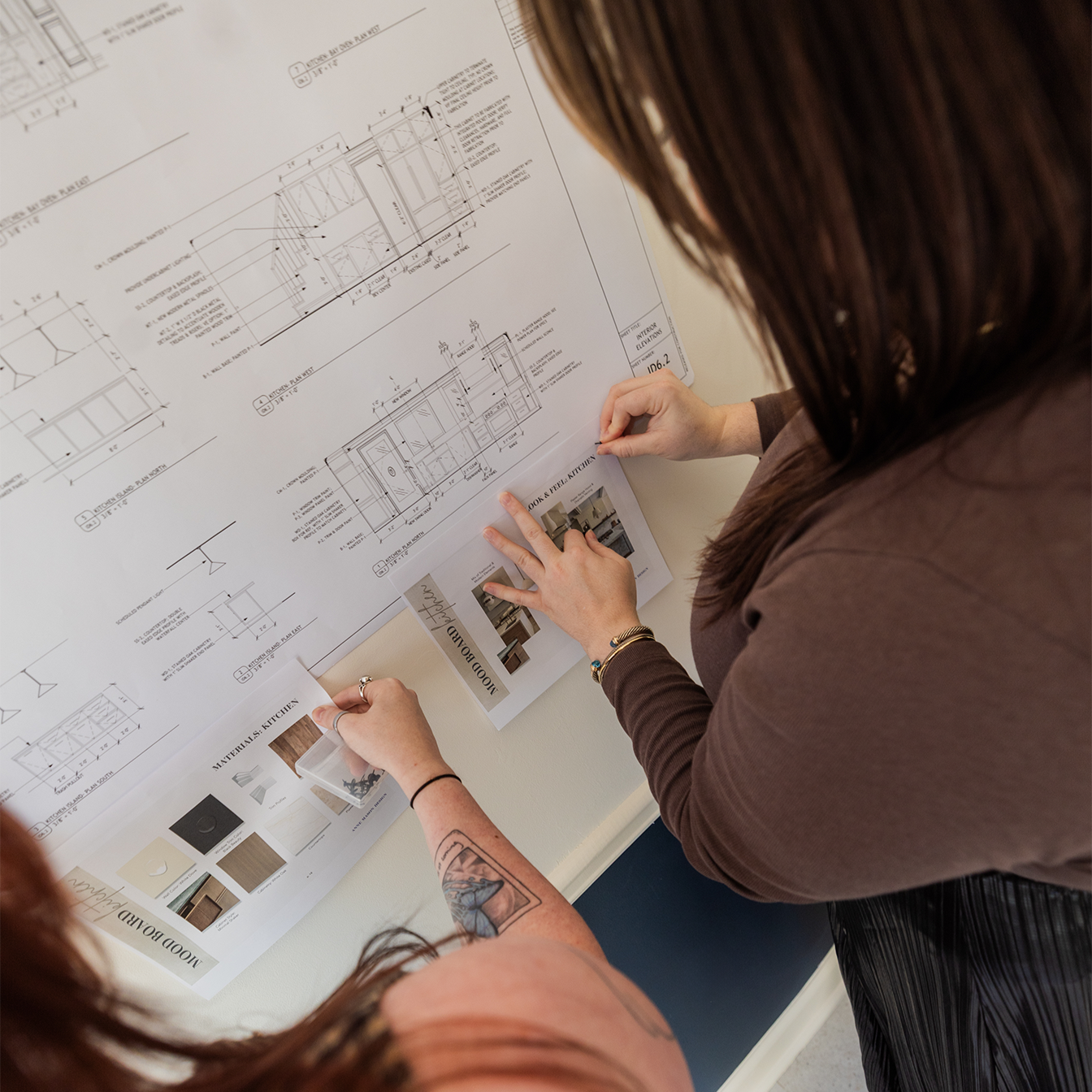
There’s a moment many homeowners experience — often quietly — when something about their home stops feeling right.
It might show up as clutter that never seems to go away, a kitchen that feels chaotic during busy mornings, or rooms that look beautiful but don’t actually support how your family lives day to day. Sometimes it’s subtle, and sometimes it’s overwhelming. But either way, the feeling is real.
If you’ve been sensing this disconnect lately, you’re not alone. It may be your home trying to tell you something.
As families grow and life evolves, homes need to evolve too. What worked five years ago may no longer support your routines, priorities, or vision for this stage of life. Recognizing that shift is often the first step toward meaningful change.
This is also exactly why we created the AMD Starter Kit: to help homeowners gain clarity before jumping into a renovation. Because thoughtful preparation is what transforms a stressful experience into a successful one.
If you’re wondering whether it might be time to renovate, here are five signs to pay attention to.
Renovation Is About How You Live — Not Just How Things Look
Before we dive in, it’s important to understand something fundamental:
Renovation is not about aesthetics. It’s about how your home functions and supports your life.
A well-designed home reduces daily friction. It creates calm where there was once chaos. It allows your family to move through routines more easily. And yes — it becomes more beautiful along the way.
But the real transformation is functional and emotional. When your home works better, life feels better.
Sign #1: Your Home Feels Chaotic Instead of Calm
One of the clearest indicators that a renovation may be needed is a constant sense of disorder.
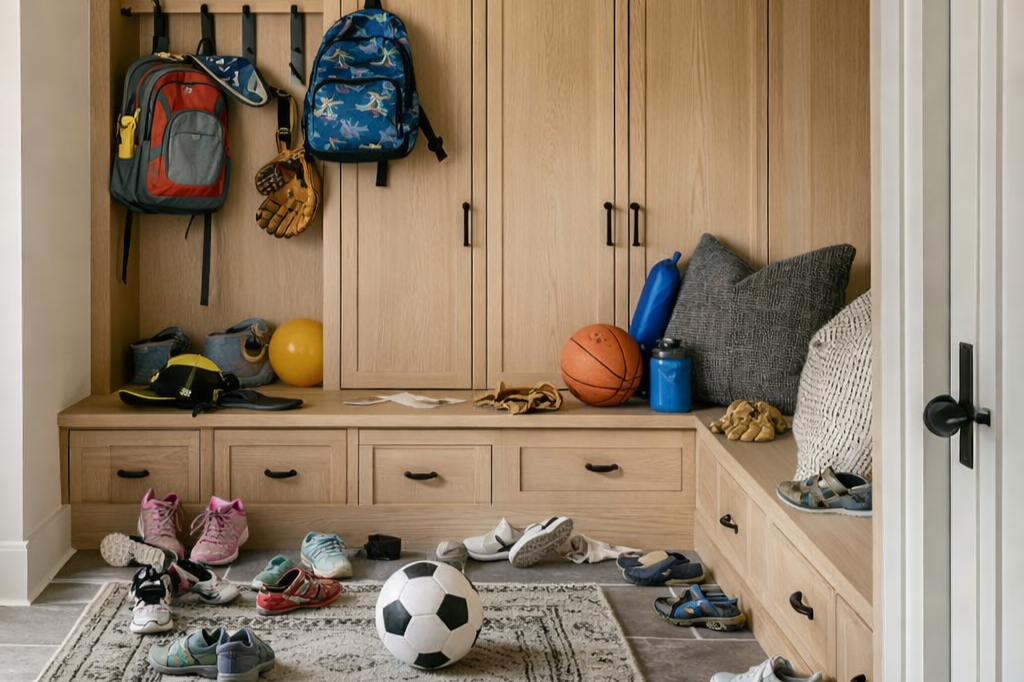
Backpacks pile up at the door. Kitchen counters fill with papers and devices. Shoes, sports gear, and pet supplies seem to multiply overnight. No matter how much you organize, it never quite stays under control.
This isn’t necessarily a discipline problem — it’s often a design problem.
Homes that lack intentional storage, drop zones, or functional layouts naturally create clutter. Families are busy, and environments need to support that reality. The goal isn’t perfection. It’s ease.
Anne’s Note: Inside the AMD Starter Kit, we walk homeowners through how to evaluate what’s working and what isn’t, so decisions are based on clarity rather than frustration. It’s a great tool to start with!
Sign #2: Your Family Has Outgrown the Space
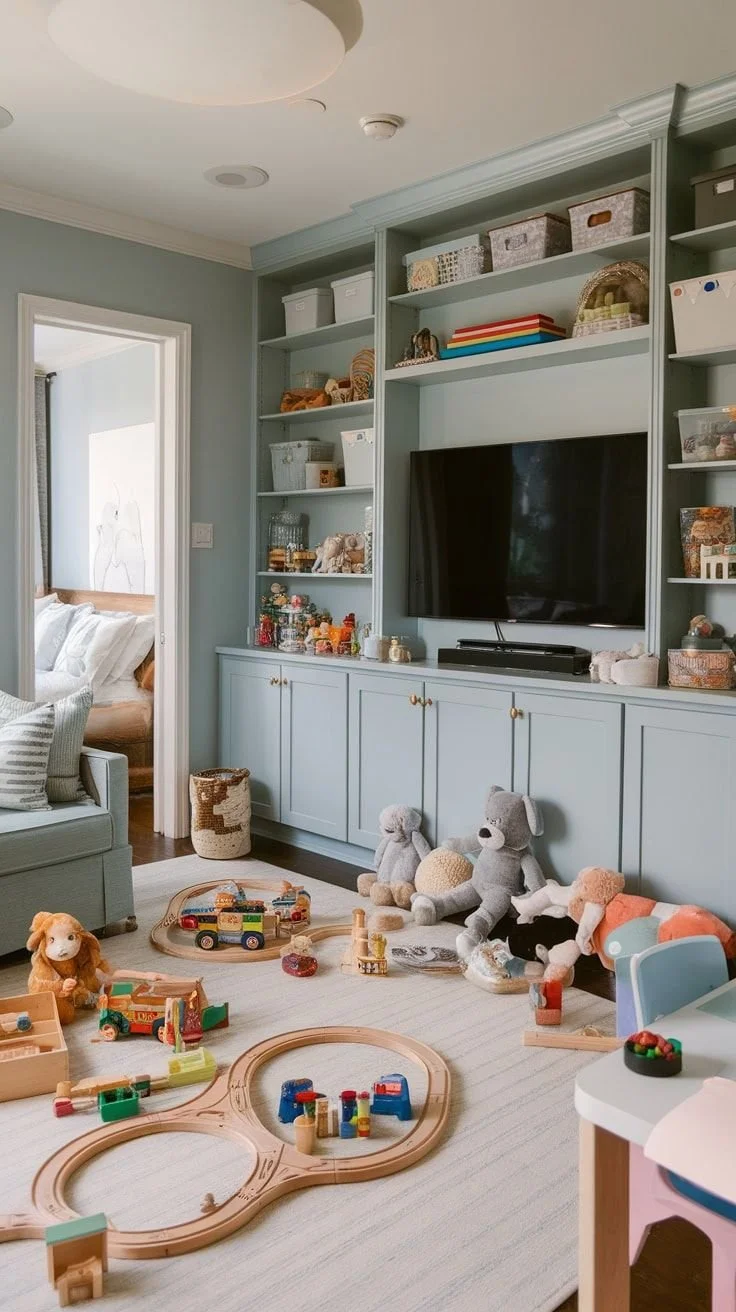
Families evolve quickly. Children move from toys to homework. Then from homework to activities, sports, and social lives. Parents’ work situations change. Entertaining patterns shift. Even pets create new needs.
Spaces that once felt spacious can start to feel cramped or inefficient — not necessarily because the home is too small, but because it no longer matches your family’s rhythms.
You might notice:
Kids needing dedicated study zones
A kitchen that doubles (or triples) functions as command center, homework station, and gathering space
Lack of storage for sports equipment or backpacks
No comfortable place for teens to hang out
Feeling anxiety about having friends over
These are normal transitions — and homes should evolve alongside them.
Sign #3: You Avoid Certain Rooms
This sign is more psychological than people expect. Are there rooms you simply don’t use?
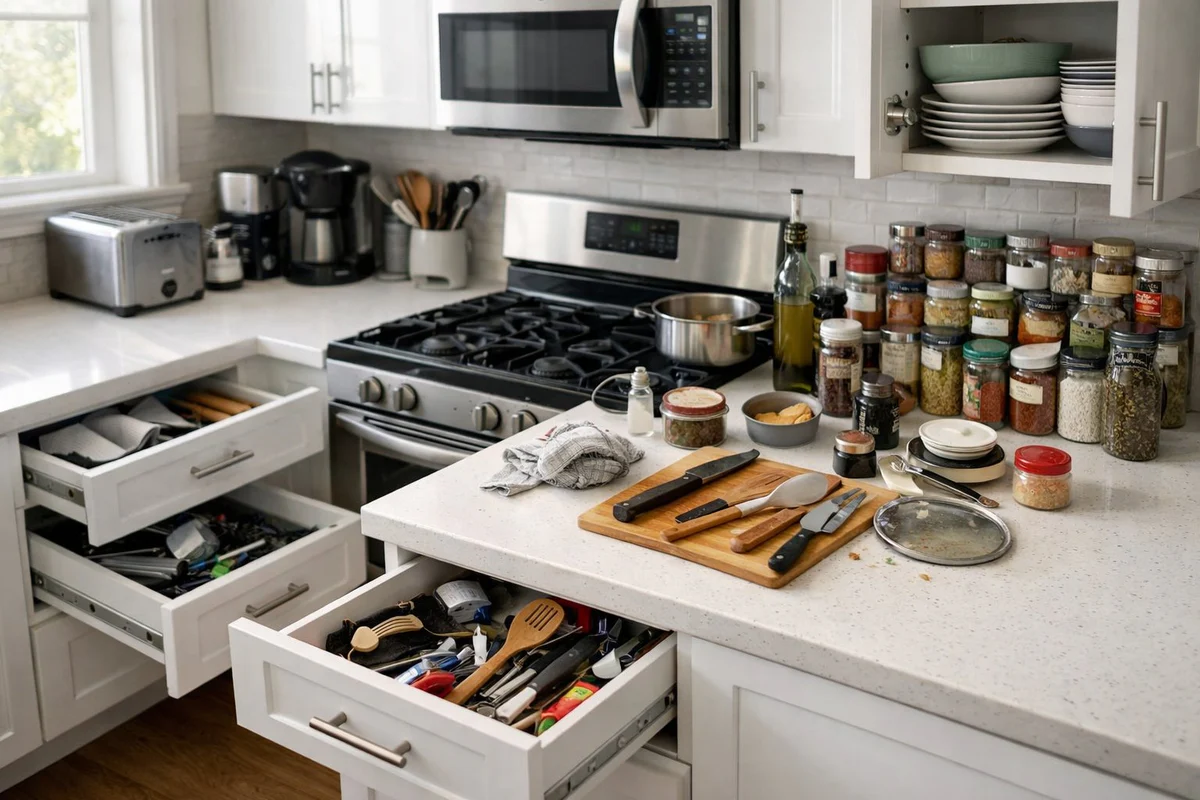
Maybe the dining room sits empty. Maybe the primary bathroom frustrates you every morning. Maybe the laundry room feels chaotic as it overflows every week. Maybe you have adapted to use one corner of your kitchen to cook, while other countertops are covered with food and clutter.
Avoidance is often a signal that something isn’t functioning well. When spaces don’t serve us, we naturally disengage from them.
A thoughtful renovation can transform underused areas into spaces that genuinely support your lifestyle — bringing your home back into alignment with how you want to live.
Sign #4: You Feel Embarrassed to Host
This is one of the most emotional triggers homeowners experience — especially for people who value connection and hospitality.
You may want to invite friends over, host family gatherings, or celebrate milestones, but something about your home makes you hesitate.
Maybe it feels outdated. Maybe the layout doesn’t work for groups. Maybe there isn’t enough seating, storage, or lighting. Maybe you’re worried others will notice what feels unfinished to you.
Your home should support connection, not create anxiety. Hosting should feel joyful and easy, not stressful.
Oftentimes, even the modest layout improvements or targeted updates can dramatically change how comfortable you feel welcoming people in.
Anne’s Note: To be honest, I’m at this place now. I bought my 1950’s mid-century ranch in 2022 when it was just me and a small dog. Now it’s four years later and my house is bursting at the seams. I started my own business out of that home, my boyfriend moved in and runs his own business from it. He brought two cats with him and I adopted another dog. We’re working through renovation options now to not just help with storage and office space, but to build a home where we can bring home and raise our future kids. But we’ve started with floorpans and we’re working through plans to figure out the best functioning home for us.
Just know this: Even as a designer who does this every day, it’s hard to find time to work on my own space. You are not alone.
Sign #5: You Know Something Needs to Change — But You Don’t Know Where to Start
This is the most common sign we see — and the most important. You sense that your home isn’t working the way it should. You’ve thought about renovating. You may have saved ideas or inspiration photos. But the process feels overwhelming.
Questions start to stack up:
Where do we begin?
What should we prioritize first?
How much will this cost?
How long will it take?
How do we avoid mistakes?
That uncertainty often keeps people stuck for years.
The truth is, renovation overwhelm is normal because the process is complex. But with the right guidance and preparation, it becomes manageable and even exciting. This is why planning tools and hiring the right team make a meaningful difference.
Homes Should Evolve With Life & Here’s What That Looks Like
Many homeowners wonder whether they’re “supposed” to renovate at certain times, or if something is wrong when their home suddenly stops working for them. In reality, homes naturally need to evolve alongside the people living in them.
There are predictable life stages where spaces often require adjustments:
Every 5–10 Years: Lifestyle Updates
Even without major life changes, homes benefit from periodic updates as materials age and needs shift. This might include:
Paint and finish refreshes
Lighting upgrades
Furniture reconfiguration
Minor layout improvements
Storage additions
These smaller updates help maintain functionality and keep your home feeling current without major construction.
When Kids Reach New Stages: Functional Shifts
Families with children often experience renovation pressure points during key transitions:
Ages 0–5: Focusing on safety, durability, and supervision-friendly layouts.
Ages 6–12: Homework zones, organization systems, and activity storage become critical.
Ages 13–18: Privacy, independence, study areas, and teen-friendly gathering spaces emerge as priorities.
Each stage brings different needs — and homes that adapt reduce daily stress for everyone.
Every 10–20 Years: Larger Renovations
Kitchens, bathrooms, and major living spaces typically require more substantial updates within this timeframe due to:
Wear and tear
Changing technology
Evolving design standards
Lifestyle shifts
Family growth
This doesn’t mean starting over; it means thoughtfully evolving the home you already love.
The Most Important Indicator Isn’t Time. It’s Friction.
Even thought he clearest signal that a change may be needed isn’t how long you’ve lived in your home. It’s how your home feels to live in.
If daily routines feel harder than they should…
If clutter keeps accumulating…
If certain rooms create frustration…
Those are signs your environment may be ready to evolve from just your home into your sanctuary.
Why Planning Early Leads to Better Results
One of the biggest misconceptions about renovation is that you start planning when you’re “ready to begin.”
In reality, the best outcomes happen when homeowners start thinking through decisions months or even a year in advance.
Early planning allows for:
More accurate budgeting
Better design decisions
Fewer surprises during construction
Smoother timelines
Greater confidence throughout the process
It also allows you to align renovations with life milestones — such as school schedules, holidays, or seasonal priorities — rather than feeling rushed.
Preparation isn’t about slowing things down. It’s about making everything work better.
A Smarter Way to Begin Your Renovation
If you’re recognizing yourself in any of these signs, the next step isn’t demolition — it’s clarity.
Our AMD Starter Kit was created specifically for homeowners who are considering renovation within the next 6–18 months and want to approach the process thoughtfully.
Inside, you’ll find:
Renovation preparation guidance
Budget planning tools
Decision-making frameworks
Professional insights from real projects
Checklists to help you feel organized and confident
What the design process actually looks like from a design studio who specializes in renovation
Think of it as your roadmap before hiring a designer or contractor — giving you the knowledge to move forward intentionally.
And if you downloaded the Starter Kit in 2025, our 2026 version goes much deeper. You’ll want to redownload the guide to see our updated timelines, processes, even pricing, that better reflects the 2026 market.
You Don’t Have to Figure This Out Alone
Homes carry emotional weight. They hold memories, routines, and aspirations for the future. When something feels off, it can create stress that extends beyond the physical environment.
But with thoughtful planning and the right support, your home can evolve into a space that truly creates sanity, calm, function, and happiness in a way that feels authentic to your family.
If you’re sensing that your home may be ready for its next chapter, trust that instinct. Your environment should grow with you, and the next season of your life deserves a home that’s ready for it.
Ready to Take the First Step?
Download the AMD Starter Kit to begin planning your renovation with clarity and confidence.
Or, if you’re ready to explore possibilities for your home, schedule a Discovery Call with our team — we’d love to help you create a space that supports the life you’re building!