Why Hiring a Trained Interior Designer Changes Everything
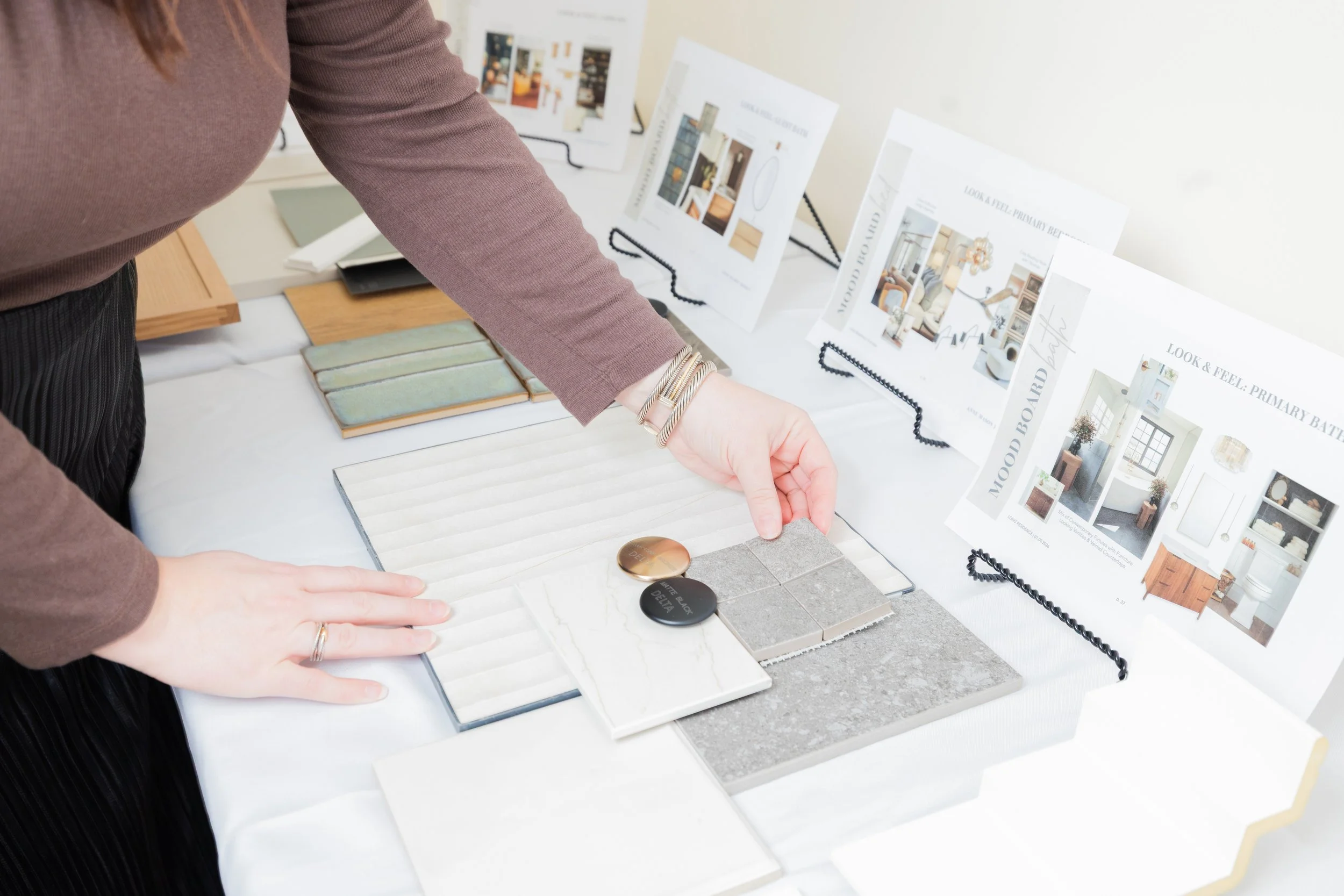
It usually starts in a quiet moment.
You’re standing in your kitchen early in the morning with coffee in hand as the house begins to wake up. Backpacks are about to hit the counter, the dog is pacing by the door, and you’re already mentally running through the day ahead.
And somewhere in that moment, a thought surfaces:
This isn’t working the way it should.
And it’s not in a dramatic way. Not in a “we need to move” kind of way. It is a steady, growing awareness that your home no longer supports your life the way it used to.
The kitchen feels harder to use than it should. Storage is constantly overflowing. Certain rooms never feel finished. Hosting takes more effort than you want it to. And even though nothing is technically “wrong,” everything feels a little more complicated than it needs to.
That is often the point when homeowners start looking for answers. They save inspiration images. They price out materials. They talk to contractors. They try to decide what should stay, what should go, and what is actually worth the investment.
And very quickly, they realize something important: A renovation is not just a series of pretty decisions.
It is a long chain of connected decisions, and each one affects the next.
When Your Home Feels Slightly Out of Sync
Most families do not wake up one day and decide to renovate because of one single problem. It usually builds over time.
The kitchen no longer functions for the way your family cooks, gathers, and moves through the day. The mudroom cannot keep up with bags, shoes, sports equipment, and pets. The living room has furniture in it, but it still does not feel pulled together. The bathroom technically works, but it feels dated, inefficient, or disconnected from the rest of the home.
These issues may feel small on their own, but together they create friction. And once you start noticing that friction, it becomes hard to ignore.
For many homeowners, this is where the overwhelm begins. Not because they do not have good taste. Not because they cannot make decisions. But because they are trying to solve a layered design problem without a clear process.
That is where hiring a trained interior designer changes the experience.
Not just because a designer can help make your home beautiful, but because a trained designer knows how to evaluate the full picture: function, flow, materials, budget, construction details, furniture, lighting, longevity, and the way your family actually lives.
The Part No One Really Explains
Most people assume renovation decisions happen during the renovation. As we share in our AMD Starter Kit, the majority of decisions should happen before demolition begins.
Before walls come down, cabinets are ordered, lighting is wired, or tile is installed, a strong plan needs to be in place. That plan should answer questions like:
How should the space function?
What layout supports the way our family lives?
Where does storage need to happen?
What materials make sense for daily impact?
Where should the budget be invested?
Where can we save without sacrificing the overall result?
What needs to be communicated clearly to the contractor before work begins?
This is one of the biggest differences between reacting to a renovation and leading one.
Without a plan, homeowners are often forced to make decisions quickly, under pressure, and without understanding how one choice affects another.
A cabinet layout affects lighting.
Lighting affects electrical.
Electrical affects construction timing.
Construction timing affects budget.
Budget affects material selections.
Material selections affect long-term maintenance.
Everything is connected.
A trained designer is not just looking at one decision at a time. They are looking several steps ahead to understand how those decisions work together.
Decorating vs. Designing: Why This Changes Everything
There is a common misunderstanding that hiring a designer means hiring someone to pick finishes, furniture, and paint colors. That can be part of the work, but it is not the whole role.
Decorating is what you see.
Designing is what makes everything work.
Decorating may include styling, furniture, accessories, art, and finishing touches. Those things are important because they bring warmth, personality, and completion to a room.
But design goes deeper.
Design includes space planning, function, flow, lighting, material durability, construction coordination, budget strategy, and long-term usability. It considers how your family uses your home, where clutter naturally collects, how much clearance is needed, what materials will hold up over time, and how the finished space will feel five or ten years from now.
A beautiful room is always the goal, but a beautiful room without function makes it worthless.
A trained designer’s job is to help create a home that combines both.
Why Training and Credentials Matter
Interior design is often presented as a matter of taste, but professional interior design requires far more than a good eye.
Training matters because our work affects how people live in and move through their homes every minute of every day.
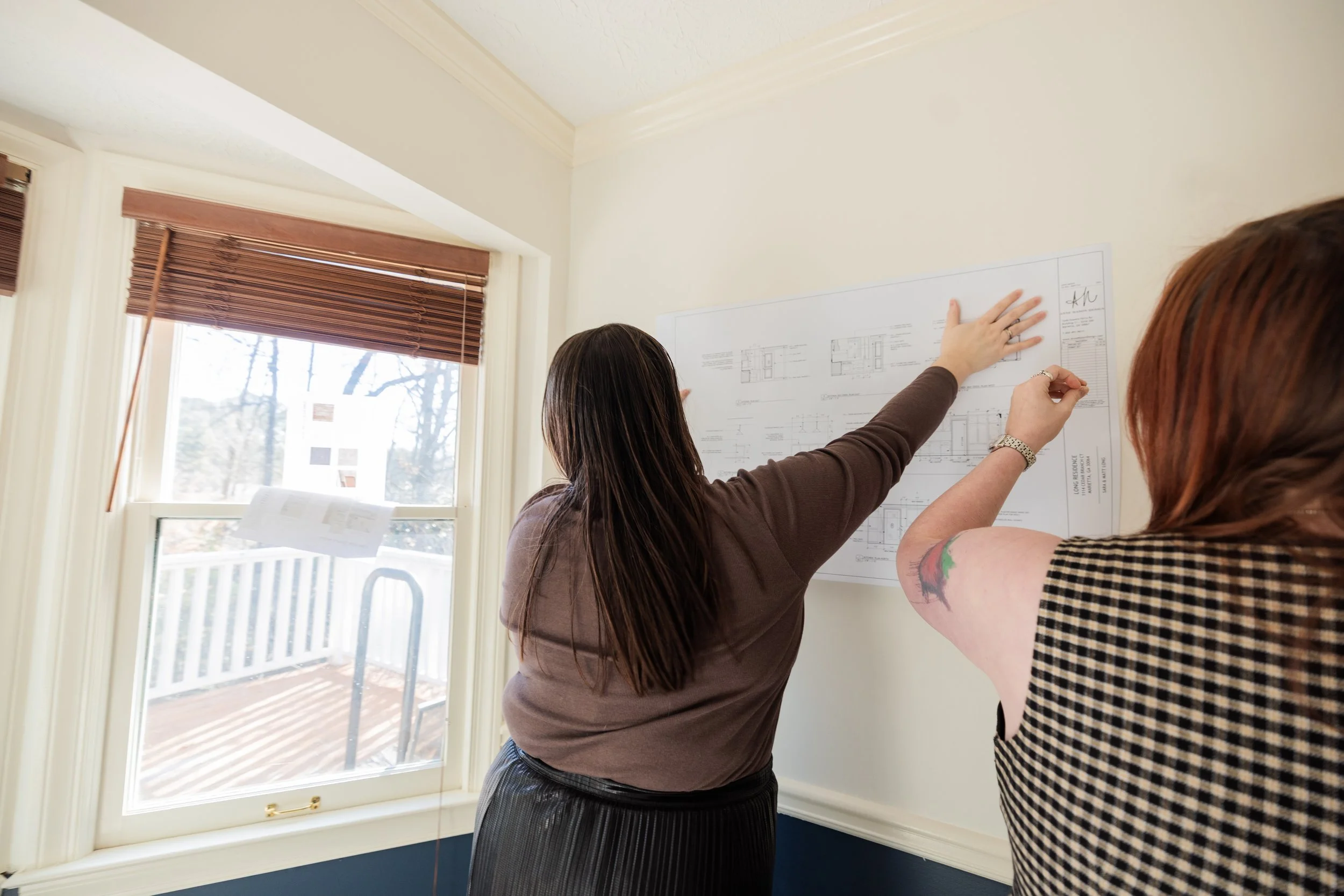
A formally trained designer studies space planning, drafting, building systems, materials, lighting, codes, construction documents, ergonomics, and human behavior. Those skills shape the way a designer evaluates a room long before any finishes are selected.
Credentials matter too.
Passing the NCIDQ exam, as Anne has, reflects a deeper level of professional knowledge in areas like health, safety, welfare, codes, construction standards, building systems, and professional practice. It is not about making a designer sound more impressive. It is about showing that they understand the technical and practical responsibilities behind the work.
That kind of training changes the way a project is approached. A trained designer is not only asking, “What looks good here?”
They are asking:
Will this layout function well?
Is this clearance comfortable?
Will this material hold up to kids, pets, guests, and daily use?
Does this lighting plan support how the room is used throughout the day?
Will this decision create a problem during construction?
Is this investment worth it long-term?
That is the difference between selecting items and designing a home with intention.
Experience Helps Us See What You May Not Know to Look For
One of the most valuable things experience brings is pattern recognition.
After working in homes over time, with families in different seasons of life, designers begin to recognize needs clients may not know how to articulate yet.
A homeowner may say they need a prettier kitchen, but what they may actually need is better storage, improved circulation, more durable surfaces, better lighting, and a layout that supports multiple people moving through the space at once.
A client may say their living room does not feel finished, but the real issue may be scale, furniture placement, lighting layers, or a lack of visual connection between rooms.
A family may think they need more space, when they really need the existing space to work harder.
This is where a trained and experienced designer becomes especially helpful.
We are listening to what you say you want, but we are also looking for what the space is telling us. We are paying attention to routines, pain points, habits, storage needs, family dynamics, entertaining goals, and the long-term way your home needs to support you.
Sometimes the best design solution is not the most obvious one. And often, the most important design work happens before anything is even purchased.
Knowing Where to Invest and Where to Save
A good renovation does not mean spending more money. In fact, one of the most important roles of a designer is helping clients understand where investment matters most and where it is perfectly reasonable to save.
Not every item carries the same weight.
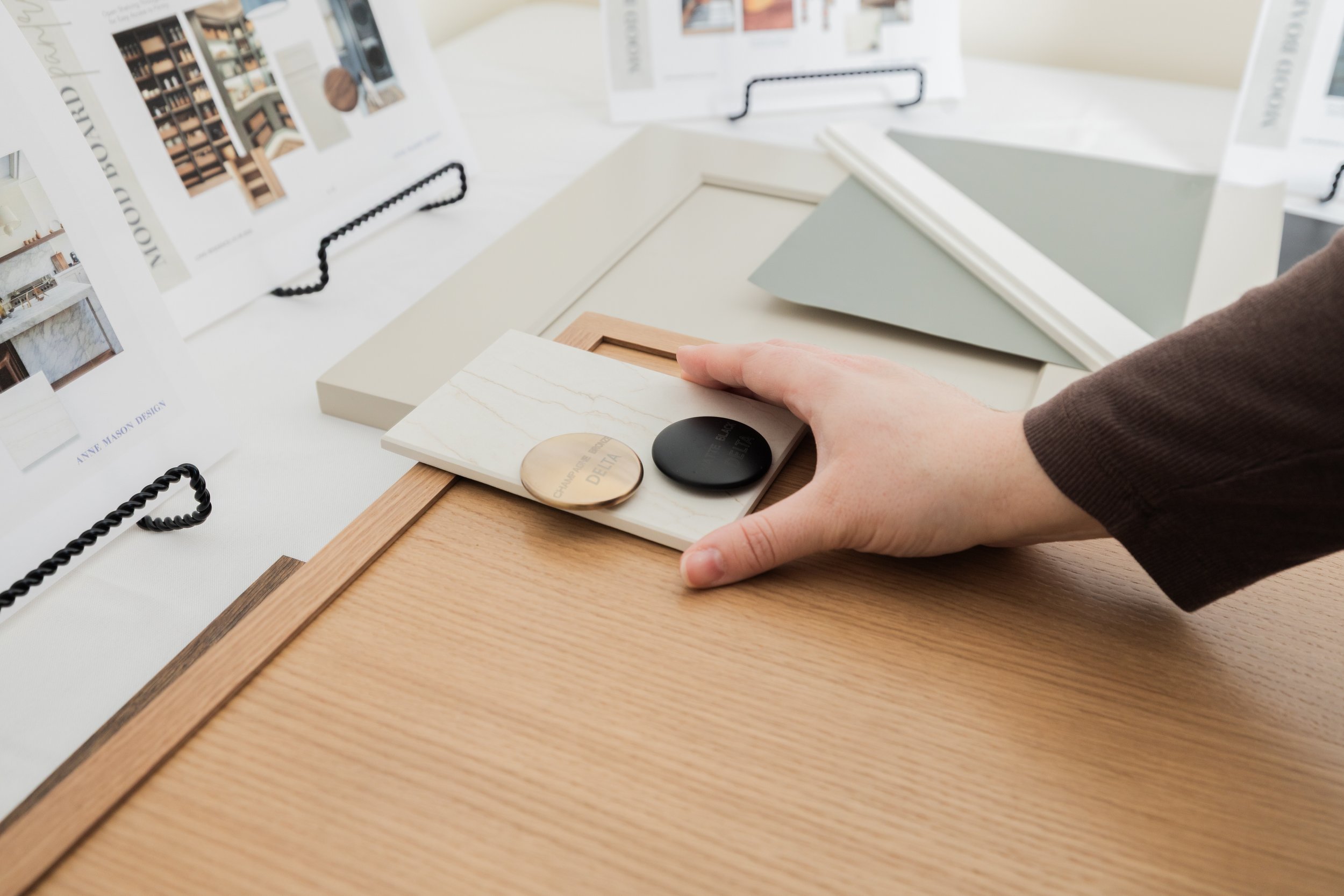
Some decisions are difficult and expensive to change later. These are usually worth more consideration and often more investment. Think layout, cabinetry, countertops, flooring, lighting, plumbing locations, built-ins, and major construction details.
Other decisions can be layered in over time. Decorative accessories, smaller furnishings, accent pieces, and certain styling elements can often evolve as your home and budget allow.
A designer helps you separate those categories.
That may look like investing in quality cabinetry that will hold up for 20 years, and choosing a more cost-conscious decorative light fixture that you can replace in 5 years. It may mean selecting a durable countertop that can handle tomato sauce and wine, while saving on a wall tile in a powder room. It may mean prioritizing a quality sofa in the room your family uses every day, while choosing more budget-friendly pieces in your formal sitting room.
The goal is not to spend more everywhere.
The goal is to spend wisely.
A trained designer helps you understand which decisions will have the greatest impact on your daily life, your long-term satisfaction, and the overall success of the project.
Why Trade Resources Can Change the Result
Another practical benefit of working with a designer is access.
Designers often have relationships with trade vendors, workrooms, furniture lines, lighting sources, fabric houses, custom makers, and specialty suppliers that are not always available directly to the public.
That access matters for several reasons:
First, trade resources often offer a higher level of quality than many mass-market retail options. This can mean better construction, better materials, better customization, and better long-term durability.
Second, trade vendors often give designers more options. Instead of being limited to what is shown on a retail floor or website, we can source pieces in specific sizes, finishes, fabrics, configurations, and styles that better fit the home.
Third, designer relationships can help with problem-solving. If something arrives damaged, delayed, discontinued, or incorrect, a designer is often better equipped to communicate with the vendor, manage the issue, and find a solution.
And in many cases, trade pricing can help clients access better quality for comparable or more strategic pricing than retail.
That does not mean every trade item is inexpensive. It means the value is often better aligned with quality, customization, and longevity.
For clients, this can create a more thoughtful mix: high-quality investment pieces where they matter most, balanced with smart savings where they make sense.
Redefining Luxury in a Way That Actually Matters
Luxury is often associated with expensive finishes, custom details, and beautiful furniture. Those things can absolutely be part of a luxury home, but real luxury is not only about what something costs.
Real luxury is a home that works.
It is a kitchen that supports the morning rush without adding chaos. It is storage that keeps daily life from spilling onto every surface. It is lighting that makes a room feel calm in the evening and functional during the day. It is furniture that fits the scale of the room and the way your family actually uses it.
It is making decisions once, with confidence, instead of second-guessing them later.
It is knowing where to invest and where not to.
It is walking into your home and feeling like it supports the life you are building.
That kind of luxury is not flashy.
It is thoughtful, practical, personal, and long-lasting.
The Real Value: Someone Thinking Ahead for You
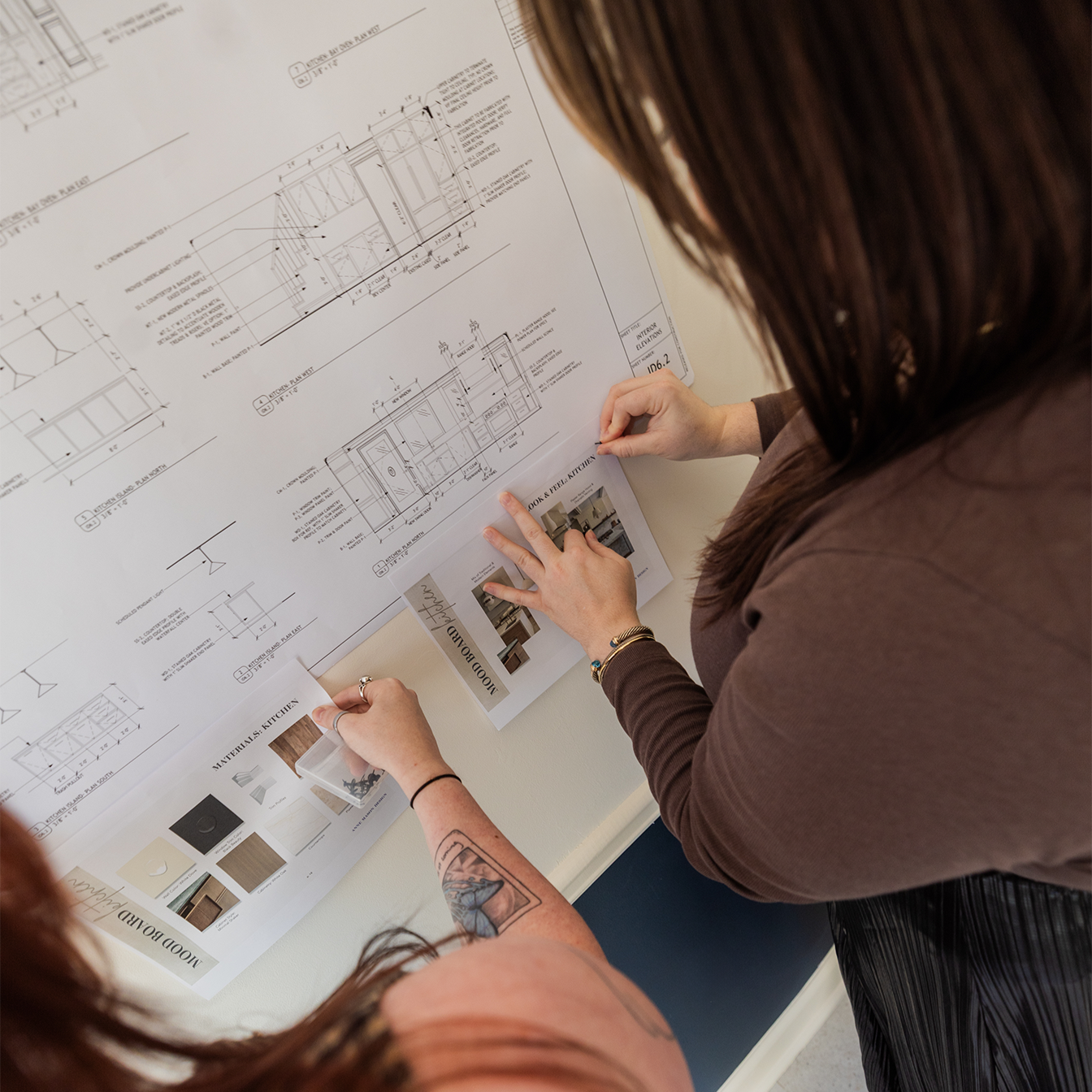
One of the biggest benefits of hiring a trained designer is having someone think through the details before they become problems.
This kind of foresight is easy to underestimate because, when it is done well, you may never see the problems it prevented.
You may never know that a fixture would have been too large, a cabinet door would have hit an appliance handle, a sofa would have blocked a walkway, or a material could be stained with the first spill.
That is part of the value.
Good design is not only about what gets added to a home. It is also about what gets avoided.
What It Actually Feels Like to Work With a Designer
Working with a designer does not mean handing over your home and losing your voice in the process.
It means having someone help translate your goals into a clear, cohesive plan.
It means fewer decisions made under pressure.
It means better communication before construction begins.
It means a more thoughtful budget strategy.
It means access to resources you may not have found on your own.
It means someone is looking at both the big picture and the smallest details.
And most importantly, it means your home is being designed around the way you actually live.
At Anne Mason Design, we believe the process matters as much as the final result. A beautiful space should not come from chaos, confusion, or constant second-guessing. It should come from clarity, thoughtful planning, and a team that understands how to guide the project from idea to execution.
As we often say at AMD: We give you spaces you love with a process you trust.
Ready to Experience the Difference?
If you are ready to approach your renovation or furnishing project with more clarity, structure, and confidence, we would love to guide you through the process.
Reach out to Anne Mason Design today to schedule your Discovery Call!